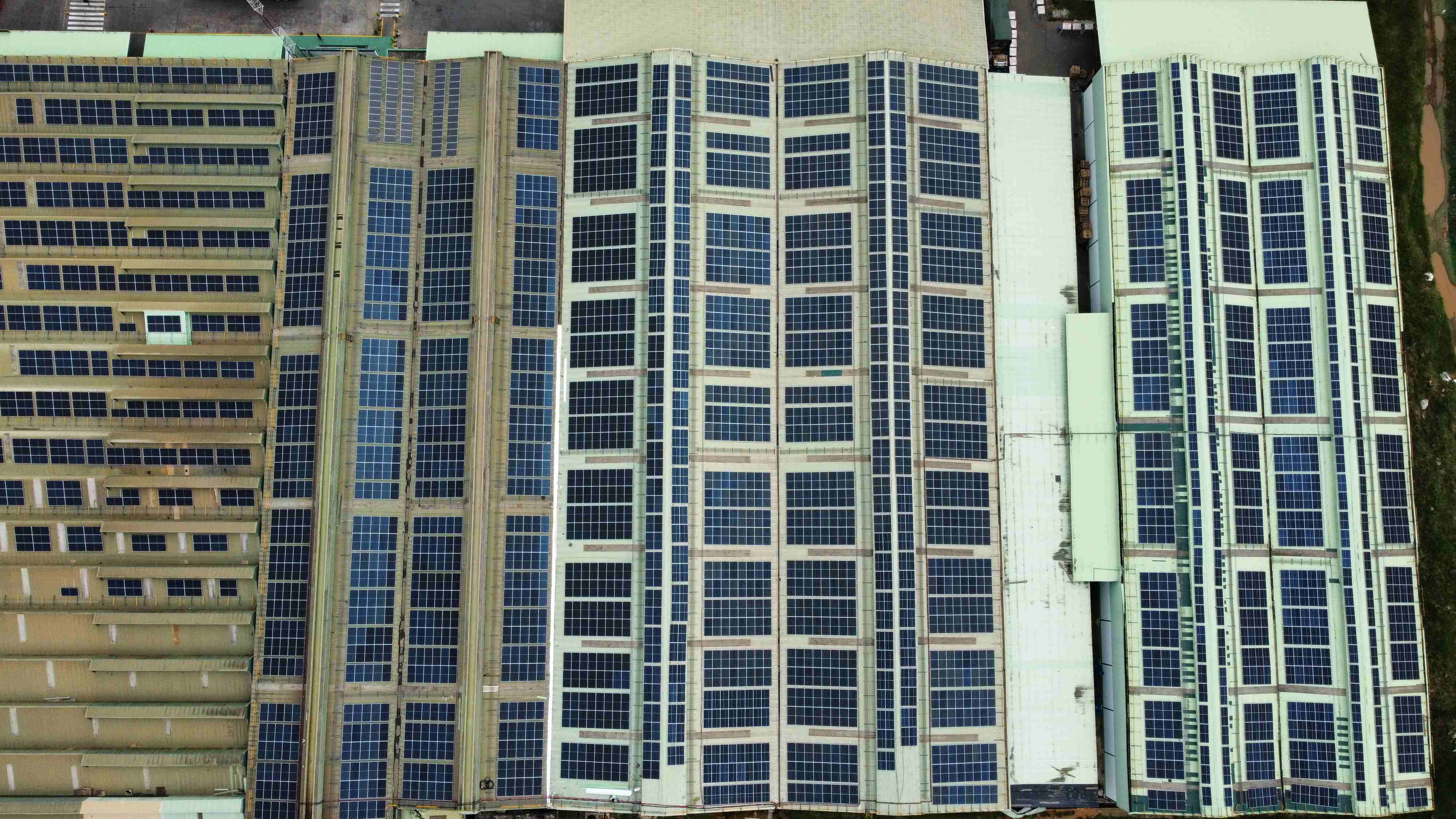
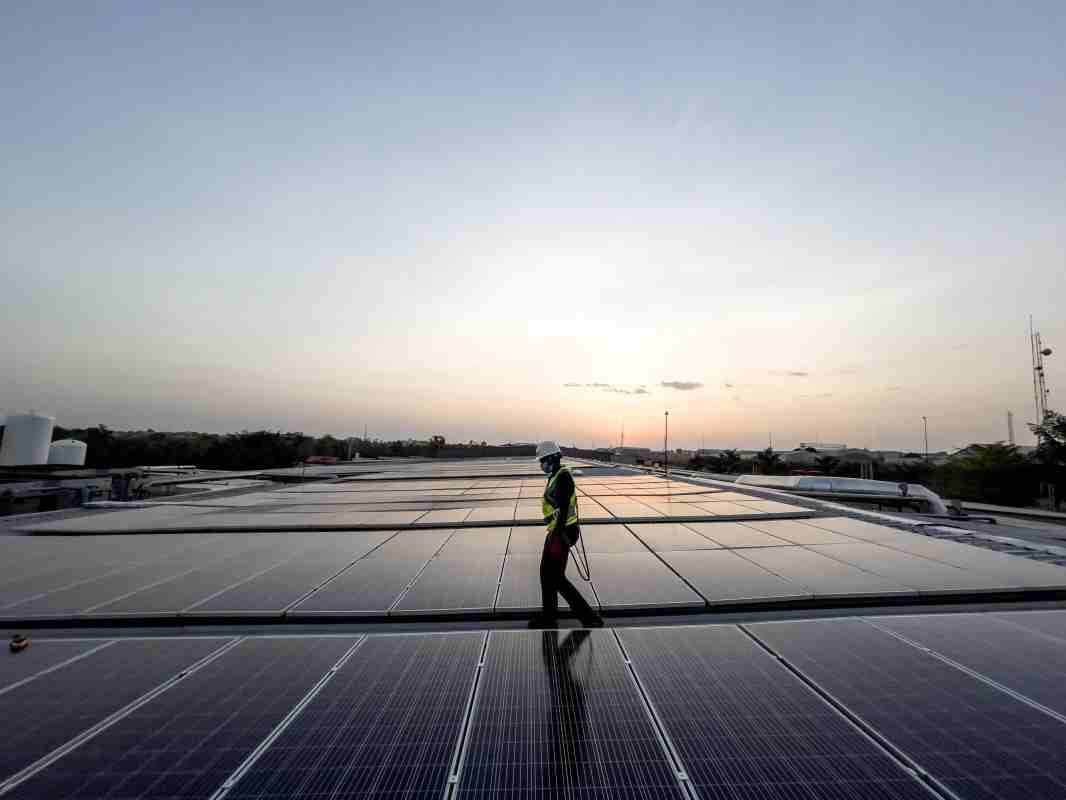
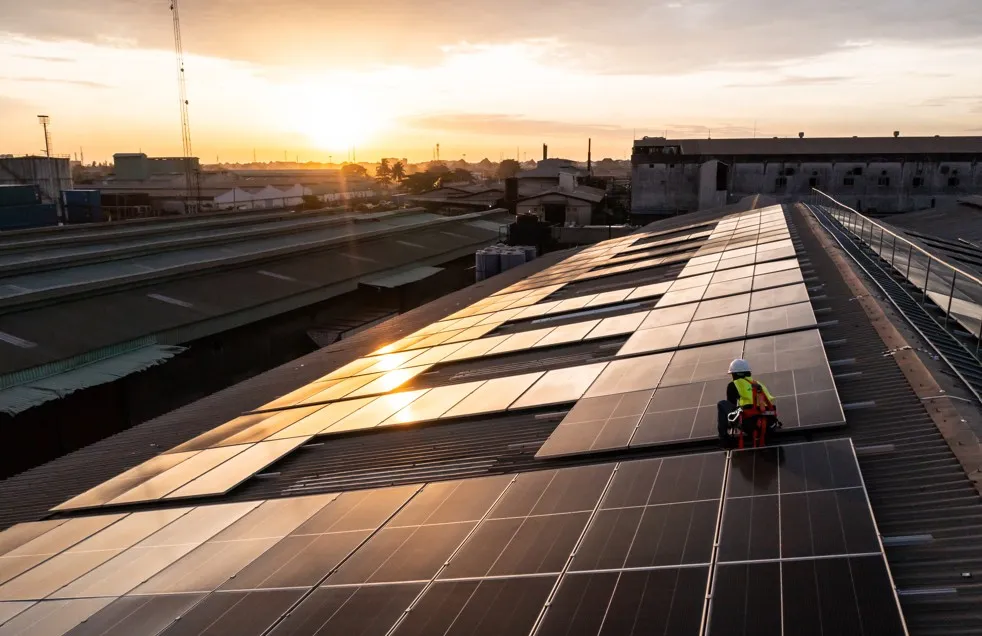
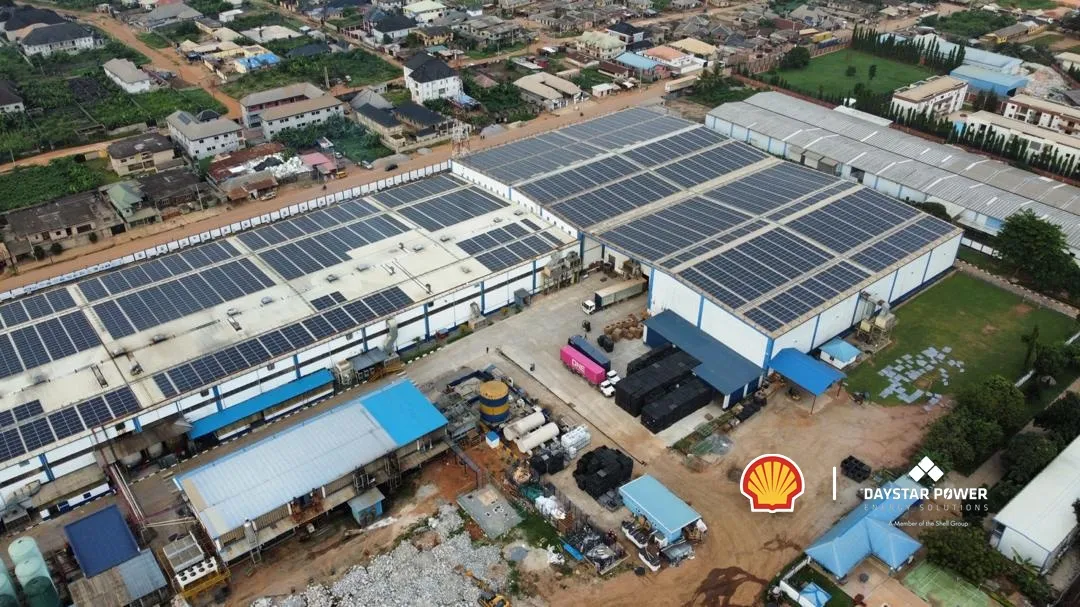
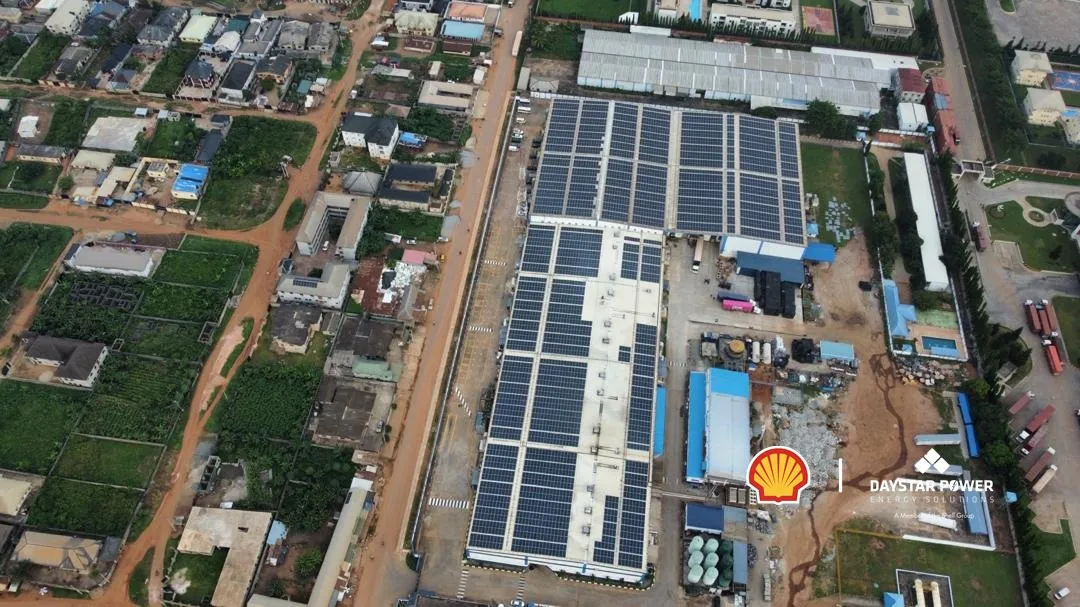
Daystar Power has commissioned a 2,632kW solar PV system for GZI in Agbara Industrial Estate, Ogun State. The project marks an important milestone for Daystar Power, bringing its total installed solar capacity in the Agbara industrial region to 14.7MW across eight industrial clients.
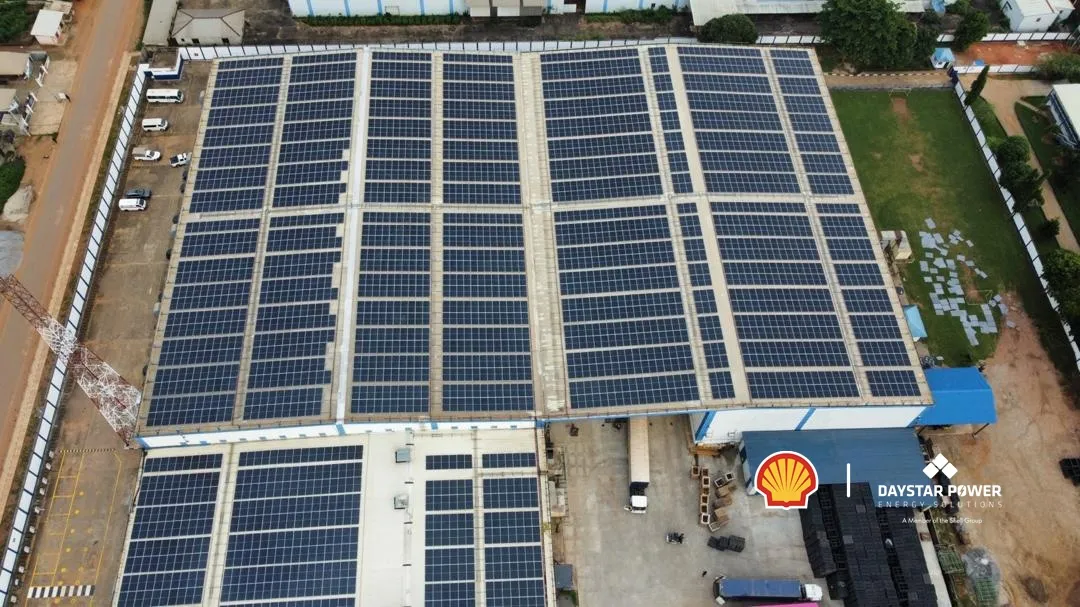
The installation at GZI includes not only the large-scale solar PV system but also a Battery Energy Storage System (BESS) of over 1.5MWh, installed by Daystar Power to support more efficient energy management. Together, the systems are designed to help optimize power use, reduce reliance on other sources of energy, and provide greater stability for GZI’s manufacturing operations.
This concentration of projects within this industrial zone tells an important story. Energy decisions are no longer reactive; they are strategic investments in continuity, cost control, and sustainability. This isn't just a portfolio update; it is a blueprint for the future of West African industry.
For large-scale manufacturers, energy is one of the most significant operating expenses. Diesel price volatility, grid inconsistencies, and maintenance costs can directly affect production planning and margins. In industries where downtime translates to lost revenue and disrupted supply chains, reliable power is critical.
Solar power offers manufacturers an opportunity to improve energy stability while managing long-term operating costs. By generating power on-site, companies reduce exposure to fuel price fluctuations and gain better visibility into energy usage.
In the case of GZI, the solar PV system works alongside the 1.5MWh battery storage system, enabling smarter energy distribution throughout the day. Solar power generated during peak sunlight hours can be used immediately or stored for later use, helping the facility optimize power availability and reduce generator dependence.
This type of hybrid energy structure provides manufacturers with a practical pathway toward improved energy reliability while maintaining operational continuity.
14.7 megawatts of installed PV capacity is not a symbolic figure. At scale, it represents:
For a single industrial cluster in Nigeria, this level of deployment signals maturity. It shows that commercial and industrial solar has moved beyond pilot projects and into mainstream operational infrastructure.
Agbara is emerging as a blueprint for how industrial zones across West Africa can accelerate their energy transition. When multiple large manufacturers within the same estate adopt distributed solar, it validates both the technical reliability and the economic case for others.
This ripple effect matters. Industrial decarbonization is often discussed at policy level, but implementation happens factory by factory. In Agbara, that implementation is already underway, at scale.
Daystar Power’s growing footprint in the region demonstrates what is possible when long-term partnerships meet innovative energy solutions. By structuring systems that align with manufacturers’ operational realities, Daystar enables businesses to grow and transition without disrupting production.
The 14.7MW milestone is not an endpoint. As energy demands increase and sustainability expectations intensify, industrial clusters like Agbara will continue to evolve. The foundation has been laid, distributed solar is no longer experimental, it is proven, scalable, and bankable.
With each new commissioning, the cluster grows stronger. And as more manufacturers recognize the operational and financial advantages of clean energy, Agbara’s transformation from diesel-dependent hub to solar-powered industrial ecosystem will only accelerate.
What does the 14.7MW milestone represent?
It represents the total installed solar PV capacity deployed by Daystar Power across eight industrial clients within Agbara Industrial Estate. This cumulative capacity reflects the scale and concentration of solar adoption within a single manufacturing cluster.
How does the GZI system handle power at night?
Our industrial solutions are typically hybrid. During the day, the 2,632kW system takes the "heavy lifting," significantly reducing diesel or grid consumption. At night or during low sunlight, the system seamlessly transitions to the grid or gas/diesel generators.
Does the solar installation disrupt factory production?
No. Daystar specializes in "zero-disruption" installations. Our engineering team works around factory shifts to ensure that the integration of the solar system into the existing power sync happens without a minute of downtime.
Can smaller factories in Agbara benefit, or is this only for giants?
Solar is modular. While we have commissioned massive systems for smaller companies, our solutions are scalable. Any industrial facility looking to reduce its "Opex" (Operating Expenses) can benefit from a tailored hybrid-solar solution
Why are manufacturers in Agbara adopting solar energy?
Manufacturers are transitioning to solar to reduce diesel dependency, mitigate grid instability, control long-term energy costs, and meet increasing sustainability requirements from customers and partners.
Does solar replace grid power entirely?
In most industrial applications, solar systems are integrated into a hybrid energy structure. They work alongside grid supply and backup systems to optimize reliability and cost efficiency rather than fully replacing existing infrastructure.
What impact does this have on carbon emissions?
Large-scale industrial solar installations significantly reduce diesel consumption, leading to measurable reductions in carbon emissions and supporting corporate sustainability targets.
Is this model replicable in other industrial zones?
Yes. The Agbara experience demonstrates that distributed solar can scale effectively within industrial clusters. As awareness and adoption grow, similar transitions can occur in other manufacturing hubs across Nigeria and West Africa.
Agbara’s energy story is still being written. But at 14.7MW and counting, one thing is clear: industrial power in Ogun State is entering a new era, and it is being driven by solar.